Language as an integrating factor

Language is a key element of workplace integration. A company should therefore offer language courses to foreign professionals or support them in improving their language skills. Providing materials, work instructions, or important company information in multiple languages ​​can also help facilitate integration and avoid misunderstandings. International professionals can attend specialized language courses depending on their job category.

Measures to promote language skills

Regardless of whether they arrange or offer language courses, companies can take various measures to help an international professional with language skills. Here are some possible measures:
A document with a speech bubble and the letter A symbolizes the linguistic adaptation of work documents. It represents translations, multilingual content, and clear communication in an international work environment.

Linguistic adaptation of work documents

Provide working documents, instructions and processes in multiple languages ​​or at least translate them into a generally understandable language.

A speech bubble with "ABC" and a steaming mug symbolize informal conversations in the workplace. The icon represents exchange in a relaxed atmosphere – beneficial for language practice, integration, and team cohesion.

Promoting informal conversations in the local language

Promoting regular informal conversations where international professionals can practice the local language. For example, there could be regular coffee breaks or informal meetings where language skills are improved in a relaxed atmosphere.

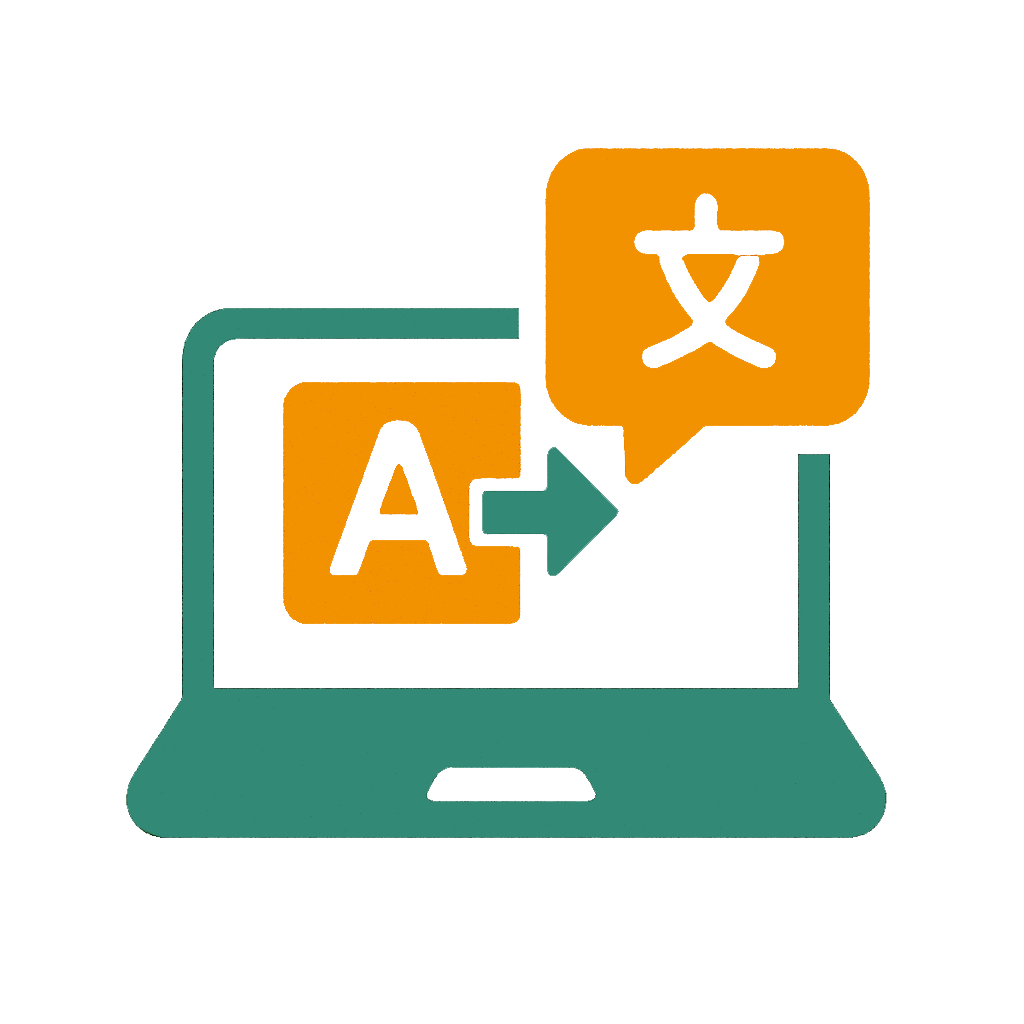
A laptop displays a translation icon with letters and a Chinese character. The image represents digital language support in the workplace, such as translation aids or language tools, to facilitate communication.

Language support in the workplace

Introducing language tools or translation software. This may also include real-time translation during important meetings.

Linguistic flexibility in communication

Flexibility in the choice of communication channels, e.g. the possibility to initially communicate in the native language or to work in writing until language skills are improved.

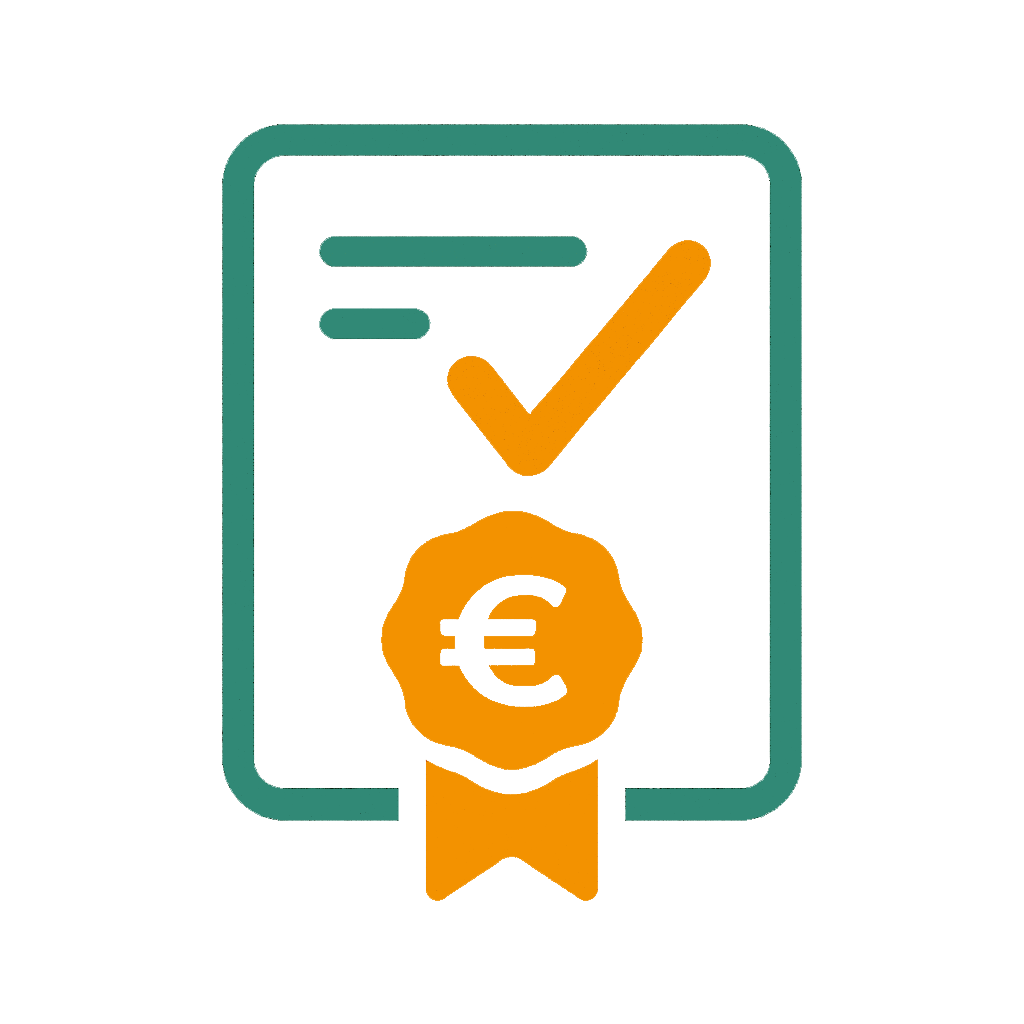
The image shows a document with a checkmark and a seal bearing the euro symbol. It symbolizes recognized language certificates and funded training opportunities to promote language skills in the workplace.

Language certificates and further training opportunities support

Support international professionals in participating in language certificate exams or further training measures, e.g. through financial support or time off work.

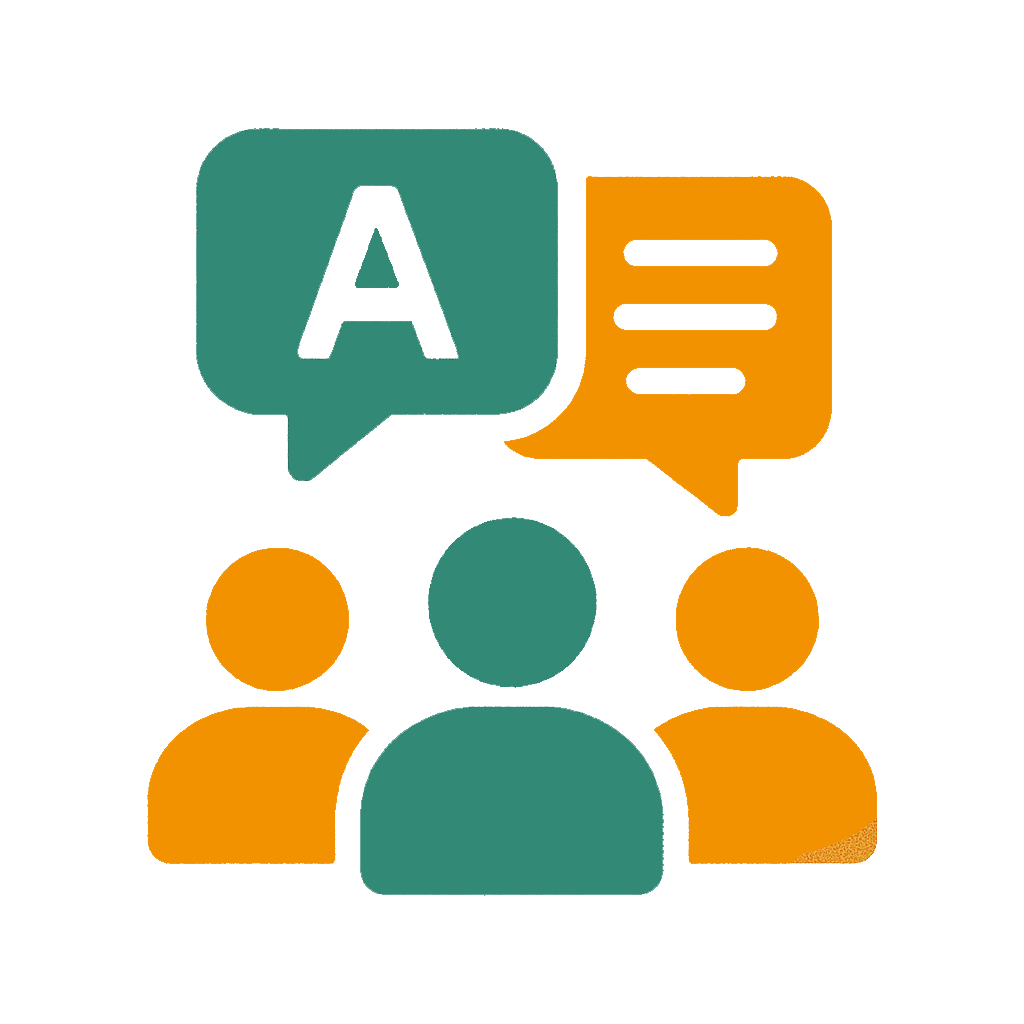
Three people with speech bubbles, one with an "A", one with a text symbol – the image represents linguistically diverse teams. It symbolizes the promotion of team and language diversity within the company for better communication and collaboration.

Promoting team and language diversity

Create an environment that promotes multilingual communication and where team members support each other with language difficulties.

A globe, a book, and a smartphone with a language symbol illustrate the support provided for language acquisition. The image represents comprehensive language support through digital and traditional learning tools.

Language support outside the workplace

Establish contacts with regional networks or provide suitable language learning apps. Such offerings allow international professionals to improve their language skills in an informal setting.

Linguistic adaptation of work documents

Provide working documents, instructions and processes in multiple languages ​​or at least translate them into a generally understandable language.

Promoting informal conversations in the local language

Promoting regular informal conversations where international professionals can practice the local language. For example, there could be regular coffee breaks or informal meetings where language skills are improved in a relaxed atmosphere.

Language support in the workplace

Introducing language tools or translation software. This may also include real-time translation during important meetings.

Linguistic flexibility in communication

Flexibility in the choice of communication channels, e.g. the possibility to initially communicate in the native language or to work in writing until language skills are improved.

Language certificates and further training opportunities support

Support international professionals in participating in language certificate exams or further training measures, e.g. through financial support or time off work.

Promoting team and language diversity

Create an environment that promotes multilingual communication and where team members support each other with language difficulties.

Language support outside the workplace

Establish contacts with regional networks or provide suitable language learning apps. Such offerings allow international professionals to improve their language skills in an informal setting.

Further information can be found on the website of the Federal Office for Migration and Refugees (BAMF).
The image shows a young, friendly woman with shoulder-length brown hair, relaxing in a light-colored, modern armchair. She is wearing a light blue denim shirt and has a silver laptop resting on her lap. In her right hand, she holds a smartphone to her ear and appears to be having a pleasant conversation – her expression is open and smiling. In the background, a minimalist living room with light colors, a small shelf, and a green potted plant on a table is visible. The natural lighting creates a warm, inviting atmosphere.

Do you have questions?

Whether you're arriving, working, studying, or living in the Görlitz district – we're happy to help! You can easily get in touch with the Welcome Center using our contact form. We look forward to hearing from you and will provide you with quick and reliable assistance.

Your contact persons are
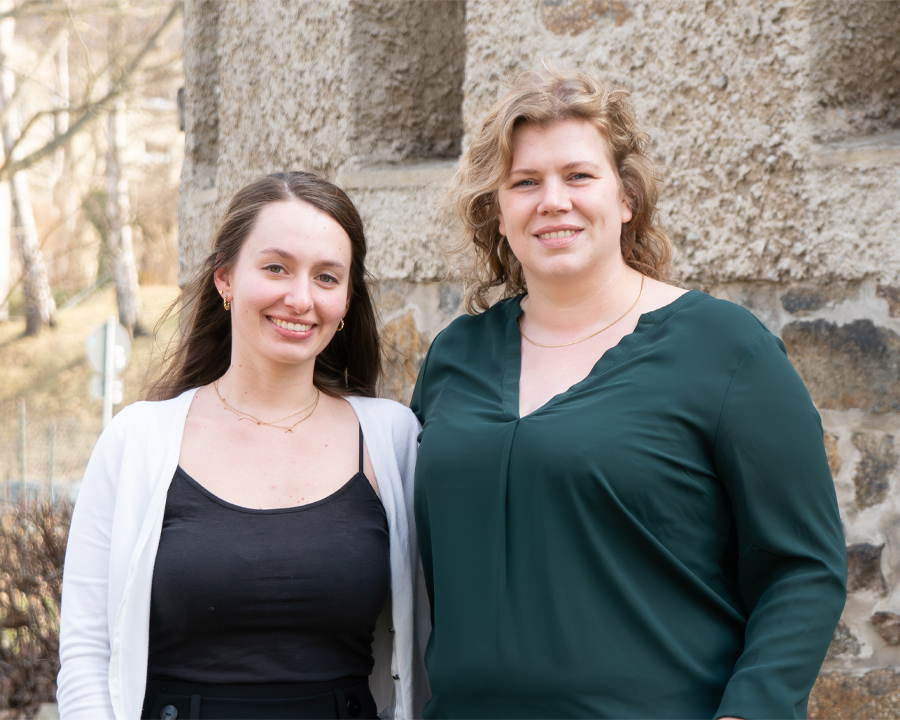
Cindy Haupt, Skilled Workers Guide;
Maren Molch, Skilled Workers Coordinator

Telephone number

+49 (0)3581 663 9430